Rain settles in, days feel shorter, and real estate signs seem to slow down across Hillsboro. If you are planning a move, winter can raise smart questions about timing, pricing, and how to prep a home in the rainy season. The good news is that you can still make a confident sale or purchase by understanding how the season shapes activity and what steps give you an edge. This guide breaks down what typically happens from November through February and how to use it to your advantage. Let’s dive in.
Winter in Hillsboro: What to expect
Weather and curb appeal realities
Hillsboro’s wet season usually runs from November through March, with the lowest sunshine and highest rainfall in December and January. That changes how your home shows. Exterior photos can be tricky, landscaping goes dormant, and gutters and drainage need extra care.
Inside, light becomes more important. Overcast skies mean you should plan for layered lighting and warm staging. For buyers, wet weather can be helpful because moisture reveals issues like drainage problems or roof leaks you might not see in summer.
Seasonal rhythm of listings and demand
Listings typically decline in late fall and hit seasonal lows in December and January. Fewer sellers list during holidays and poor weather. Buyer traffic also slows, but the buyers who remain are often serious and timing-driven.
Early spring brings a surge in new listings and more showings. That usually means more competition on both sides. In winter, fewer listings can help a well-prepped home stand out, and buyers often have more negotiating room.
Days on market and winter pricing
Homes usually stay on the market longer in winter than in spring or early summer. That is mostly a function of smaller buyer pools and fewer showings. Pricing typically softens modestly in winter compared with spring’s heightened competition, though interest rates and broader market trends can outweigh seasonal patterns.
For both buyers and sellers, patience and planning go a long way. Expect slightly longer timelines and be ready to adjust strategy as the weather and calendar shift.
If you are selling November to February
Price and position for a smaller pool
You are marketing to a narrower audience in winter, so set a price that reflects today’s demand. Aim for a strong value story and clean presentation. Be prepared for longer days on market and potential negotiation on price or terms.
If timing is your driver, winter can still deliver a solid result with sharp pricing and top-tier marketing. The goal is to attract the motivated buyers who are active now.
Marketing that works in gray skies
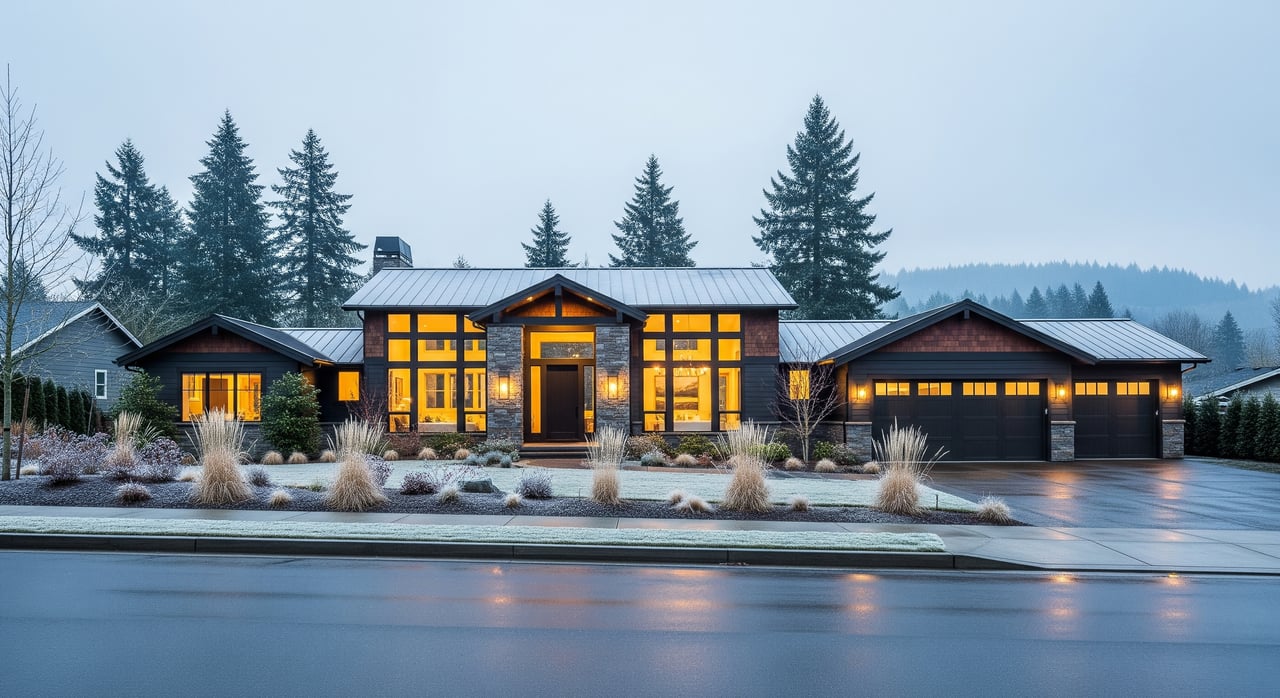
Invest in photography that shines on overcast days. Bright interior images, true-to-scale floor plans, video, and virtual tours do heavy lifting when exteriors are wet. Schedule exterior photos for the best dry window and consider twilight shots to boost curb appeal.
Every online impression matters more when foot traffic is slower. Crisp images, accurate details, and a clear value message help your listing rise to the top of a smaller stack.
Curb appeal and rainy-season care
Clean gutters and ensure downspouts direct water away from the foundation. Check roof flashing, clear leaves from walkways, and tidy dormant landscaping. Make the entry safe and welcoming with a quality mat, covered stoop if possible, and working exterior lighting.
Small touches count. A swept driveway, fresh mulch, and trimmed shrubs make a strong first impression even in a drizzle.
Staging that feels warm and bright
Layer lighting with higher-lumen bulbs and additional lamps. Add warm textiles like rugs and throws. Keep indoor air fresh with proper ventilation or a dehumidifier to avoid musty odors.
Set thermostats so the home feels inviting during showings. A warm, well-lit space helps buyers linger and picture daily life in the home.
Timing, holidays, and contingency planning
Build in extra time around holidays when lenders, appraisers, and title teams may have limited schedules. Offer flexible showing windows to capture serious buyers who are juggling travel or year-end deadlines.
If you anticipate exterior work that requires dry weather, plan ahead. Communicate clearly with buyers about timing and include documents or estimates when repairs must wait until spring.
Inspections and repairs when it is wet
Consider a pre-listing inspection to address easy fixes before you go active. For exterior items best done in dry conditions, set expectations in writing. Winter inspections may take longer to schedule during storms, so lock in vendors early.
Clear documentation and proactive repairs reduce friction. That can be the difference between one strong winter offer and a second price reduction.
If you are buying November to February
Advantages of shopping in winter
You will likely face less competition and see more flexible terms. Some sellers are timing-driven, which can open doors on price, closing date, or seller-paid items.
With fewer bidding wars, you can also take the time to evaluate homes carefully. Use that breathing room to focus on value and fit.
What to watch during inspections
Wet months are the right time to check drainage, grading, gutters, roof condition, and basement or crawlspace moisture. Ask your inspector to pay close attention to flashing, window and door seals, and exposed exterior wood.
If needed, include contingencies for additional moisture or mold evaluations. When everything is wet, small issues are easier to spot and solve.
Financing and timeline realities
Lenders, appraisers, and title teams operate year-round, but holiday weeks can slow scheduling. Build a little cushion into your closing timeline. If you are relocating for work or timing a lease, set expectations early with your lender and agent.
A steady pace helps you avoid last-minute surprises, especially near year-end.
Use winter to get spring-ready
If you want the broader selection that spring brings, use winter to prepare. Get pre-approved, research neighborhoods that fit your lifestyle, and practice touring through virtual options. When March and April inventory rises, you will be ready to act quickly and confidently.
Speed is a spring advantage. A clear plan now leads to better decisions later.
Local factors that shape Hillsboro
Tech employers and relocations
Hillsboro’s economy includes major high-tech employers, which can influence housing demand. Hiring cycles, relocations, or organizational changes sometimes increase winter activity. That added movement can offset typical seasonal slowdowns in certain price bands.
If your timing aligns with a local hiring wave, be prepared for a bit more competition even in December or January.
School calendar effects
Families often plan moves around the school year. That adds fuel to the spring surge. If you prefer a quieter experience and more flexible timelines, winter can be a smart window.
Plan contract dates with breaks and holidays in mind. Alignment avoids schedule conflicts and keeps your move on track.
New construction and inventory
Active new construction can provide options throughout the year. Builder releases and model-home schedules sometimes run on their own cycle, which may soften seasonal inventory dips in specific neighborhoods.
If a new build is on your radar, ask about phase timelines and incentives. Winter release timing can be favorable for buyers.
Interest rates and the bigger picture
Mortgage rates and broader market conditions often have more impact than season alone. In years with rising rates, spring demand may not spike as much as expected. In lower-rate periods, spring can become very competitive.
Watch both rates and local inventory as you set your plan. Seasonal patterns are useful guides, not guarantees.
Strategy snapshots
For suburban sellers
- Price with precision and lead with online presentation. Clean gutters, refresh entry lighting, and invest in bright interior photography.
- Offer flexible showings and be clear about holiday timelines. Consider a pre-listing inspection to reduce surprises.
For acreage and rural sellers
- Confirm drainage, access roads, and outbuilding condition. Provide documentation on septic, wells, easements, and recent maintenance.
- Use clear maps, floor plans, and drone imagery when weather allows. Highlight winter-ready features like covered arenas, gravel drives, or improved culverts.
For move-up buyers
- Use the quieter winter months to sell first with strong presentation, then target early spring for purchase. Align closing timelines to minimize double moves.
- Secure pre-approval and map your offer strategy so you can move fast on the right home.
For first-time buyers
- Shop in winter for less competition and stronger negotiation leverage. Build in time for thorough inspections.
- Lock down your financing path now. A lender-ready file gives you power when spring inventory appears.
For luxury and estate sellers
- Maintain impeccable presentation despite the weather. Schedule photography on optimal days and consider twilight exteriors.
- If privacy is key, explore quiet-listing options to reach qualified buyers without broad public exposure.
When to list and when to wait
There is no one-size answer. If you value less foot traffic, want a more private sale, or must move, winter can work well with the right pricing and marketing. If your goal is to capture maximum buyer competition, early spring often provides the widest audience.
Either way, your best move is a plan grounded in current local data, property type, and your timeline. A smart strategy makes seasonality work for you, not against you.
Ready to move with confidence
Whether you are planning a winter sale or using the season to get spring-ready, you deserve a team that knows Hillsboro inside and out and can execute in any weather. With 30-plus years of local leadership, $500M-plus in collective sales, 150-plus five-star reviews, and in-house marketing that includes professional photography, drone, video, floor plans, and quiet-listing options, our team is built for outcomes and peace of mind. Start the conversation with Currin Collective.
FAQs
Should I wait until spring to list in Hillsboro?
- Not necessarily. Winter can work if you want fewer showings, need to move, or aim to reach motivated buyers, but pricing and presentation matter more when demand is lighter.
Do Hillsboro homes sell for less in winter?
- Winter pricing often softens modestly versus spring, but interest rates and overall market direction usually have a bigger impact than season alone.
What inspections are most important during rainy months?
- Ask your inspector to focus on roof condition, flashing, gutters, drainage and grading, crawlspace or basement moisture, window and door seals, and exposed exterior wood.
How can my online listing stand out in winter?
- Use bright interior photography, accurate floor plans, and video or virtual tours. Plan exterior and twilight shots on the best available weather day.
When can buyers be most aggressive in Hillsboro?
- Winter often brings less competition and more seller flexibility. In early spring, act quickly as inventory rises and competition returns.
Will holidays delay closing in winter?
- They can. Lenders, appraisers, and title teams may have limited schedules near holidays, so build a little cushion into your contract timelines.